lets regroup after Spring Break 2011! see you at the (Myrtle) Beach!
Sunday, April 3, 2011
Friday, March 4, 2011
Memoirs from the Women's Prison: Nawal El Saadawi
With Egypt and the rest of the Middle East rising up in resistance to dictators and oppression in general its fitting to read some history....so...
Tuesday, February 22, 2011
From Libya to Wisconsin
Today Libya's protesters have changed categories, according to the NY Times, from protesters to "rebels" and they are clashing with loyal forces. Northern Africa, the Middle East, and Wisconsin are on fire. Rebels, teachers, rank-and-file, and pension holders vs. Libya's loyal forces, state republicans, billionaire brothers, and a governor are having it out. Maybe Wisconsin will follow Libya's led and change category...
infoshop.org on the case: On Wisconsin!
For Mass Actions, Occupations & a General Strike!
Spread the Struggle! Power to the People!
For over a week now, in response to the draconian anti-labor proposals of the Republican Governor, the people of Wisconsin have rose up in the hundreds of thousands in militant and creative fashion in defense of public workers and the unions. The Capitol in Madison has been occupied. The surrounding area has seen a sea of demonstrators. Teachers across the state have gone on unofficial strike and high school students have walked-out in support. Rallies of hundreds and thousands have occurred all over the state. This week support rallies will happen all over the country.
This movement - directly inspired, it must be said, by the heroic people of Egypt and the Middle East - with its contagious energy, determination, humor, and optimism has taken everyone by surprise. The politicians, bosses, unions, and media were all unprepared for the wave that has crashed ashore. But this upsurge is at a crossroads and must push forward defiantly or risk being co-opted or crushed leaving us with yet another heroic defeat or false “victory” to lament for years to come.
Instead of defeat, we can move forward. We support the popular call promoted by the Industrial Workers of the World (I.W.W.) revolutionary union and others for a state-wide General Strike. This should include public and private sectors, union and non-unionized sectors, students and unemployed. As other communities and sectors of the working-class step forward to join the struggle they must be free to raise their own specific concerns and demands. The movement must be open to “speakers from the floor”. We must resist any pressure to reduce the movement to a small number of lowest common-denominator demands that favor relatively privileged layers and that the system finds acceptable. This movement must not be satisfied with a return to the status quo but formulate demands of our own for what the people actually need.
Build General Strike Committees in the unions and workplaces, in the schools, on the Reservations, in the prisons, and in every local urban and rural community!
The Governor has the votes he needs in the state Legislature to pass the measures that will strip collective bargaining rights from most public employees, ban strikes, and implement deep cuts to workers’ pay, benefits and pensions. The Democrats move to leave the state and prevent quorum can be seen as a clever political ploy – or more realistically - as a means to give the ruling class (the corporate and political elite) time to reassess and regroup in the wake of this social explosion. In any case the Democratic Party is in no way an ally of working people and oppressed communities. The Democrats are participating in social cuts in states all across the county and at the Federal level. Next door in Minnesota, even the very liberal Governor there is proposing severe cuts to Health and Human services.
Similarly we cannot expect an effective way forward from the bureaucracy of the unions. Their entire strategy revolves around having “friends” in high places, only seriously mobilizing their membership to mark ballots every several years. They could not lead a militant movement if they wanted to - they have not led a serious struggle for generations. Yet all their political capital rests on their ability to channel workers dissatisfaction. Already they have begun trying to assert their control over the spontaneous movement at the Capitol, by taking down signs deemed inappropriate (for instance “Walk like an Egyptian”) and stepping up the “marshalling” of the crowds.
There is a real risk that the union bureaucracy and the Democrats will try and present a “compromise” of severe cuts minus the collective bargaining roll-back. “Don’t take away our right to negotiate how deep we let you cut our pay and benefits” is pathetic but they are already starting to sound out this approach. We must be prepared to defy this and explain the danger to the bulk of the movement who so far see the Democrats and union tops only in a positive light.
If, in the likelihood that the efforts toward mass strikes become bottled up inside the union structures, we must push ahead with whatever means of mass direct action we can muster. Mass demonstrations; more unofficial strikes and high school walk-outs; occupations of campuses and State facilities, Republican and Democratic Party headquarters, corporate supporters of the Governor, etc. We must come out of this struggle with a network of working-class activists willing to organize/participate in mass direct action.
Finally since in many ways the wave that started this whole thing came from the Middle East, lets end there as well: The United States spends billions and billions of tax dollars on military occupation of Iraq and Afghanistan, huge military presence in Kuwait, Bahrain and in the surrounding seas, support for the apartheid Israeli state, and dictatorships and monarchies across the region. The National Guard that the Governor has threatened to deploy against the workers of Wisconsin has spent many months guarding the Empire over there. All this to control the people and resources of the Middle East for the same global capitalist system that is attacking us here in Wisconsin and killing our planet.
We cannot have an honest discussion about budgets, deficits, or resources without addressing the costs of Empire – both financially and morally. Our movement must defend the self-determination of the working people across the Middle East and help them dissolve the Empire of Capital that benefits no one but the rich elite.
Solidarity!
First of May Anarchist Alliance
m1aa@riseup.net
February 21, 2011
infoshop.org on the case: On Wisconsin!
STATEMENT
On Wisconsin! First of May Anarchist Alliance statement
On Wisconsin!For Mass Actions, Occupations & a General Strike!
Spread the Struggle! Power to the People!
For over a week now, in response to the draconian anti-labor proposals of the Republican Governor, the people of Wisconsin have rose up in the hundreds of thousands in militant and creative fashion in defense of public workers and the unions. The Capitol in Madison has been occupied. The surrounding area has seen a sea of demonstrators. Teachers across the state have gone on unofficial strike and high school students have walked-out in support. Rallies of hundreds and thousands have occurred all over the state. This week support rallies will happen all over the country.
This movement - directly inspired, it must be said, by the heroic people of Egypt and the Middle East - with its contagious energy, determination, humor, and optimism has taken everyone by surprise. The politicians, bosses, unions, and media were all unprepared for the wave that has crashed ashore. But this upsurge is at a crossroads and must push forward defiantly or risk being co-opted or crushed leaving us with yet another heroic defeat or false “victory” to lament for years to come.
Instead of defeat, we can move forward. We support the popular call promoted by the Industrial Workers of the World (I.W.W.) revolutionary union and others for a state-wide General Strike. This should include public and private sectors, union and non-unionized sectors, students and unemployed. As other communities and sectors of the working-class step forward to join the struggle they must be free to raise their own specific concerns and demands. The movement must be open to “speakers from the floor”. We must resist any pressure to reduce the movement to a small number of lowest common-denominator demands that favor relatively privileged layers and that the system finds acceptable. This movement must not be satisfied with a return to the status quo but formulate demands of our own for what the people actually need.
Build General Strike Committees in the unions and workplaces, in the schools, on the Reservations, in the prisons, and in every local urban and rural community!
The Governor has the votes he needs in the state Legislature to pass the measures that will strip collective bargaining rights from most public employees, ban strikes, and implement deep cuts to workers’ pay, benefits and pensions. The Democrats move to leave the state and prevent quorum can be seen as a clever political ploy – or more realistically - as a means to give the ruling class (the corporate and political elite) time to reassess and regroup in the wake of this social explosion. In any case the Democratic Party is in no way an ally of working people and oppressed communities. The Democrats are participating in social cuts in states all across the county and at the Federal level. Next door in Minnesota, even the very liberal Governor there is proposing severe cuts to Health and Human services.
Similarly we cannot expect an effective way forward from the bureaucracy of the unions. Their entire strategy revolves around having “friends” in high places, only seriously mobilizing their membership to mark ballots every several years. They could not lead a militant movement if they wanted to - they have not led a serious struggle for generations. Yet all their political capital rests on their ability to channel workers dissatisfaction. Already they have begun trying to assert their control over the spontaneous movement at the Capitol, by taking down signs deemed inappropriate (for instance “Walk like an Egyptian”) and stepping up the “marshalling” of the crowds.
There is a real risk that the union bureaucracy and the Democrats will try and present a “compromise” of severe cuts minus the collective bargaining roll-back. “Don’t take away our right to negotiate how deep we let you cut our pay and benefits” is pathetic but they are already starting to sound out this approach. We must be prepared to defy this and explain the danger to the bulk of the movement who so far see the Democrats and union tops only in a positive light.
If, in the likelihood that the efforts toward mass strikes become bottled up inside the union structures, we must push ahead with whatever means of mass direct action we can muster. Mass demonstrations; more unofficial strikes and high school walk-outs; occupations of campuses and State facilities, Republican and Democratic Party headquarters, corporate supporters of the Governor, etc. We must come out of this struggle with a network of working-class activists willing to organize/participate in mass direct action.
Finally since in many ways the wave that started this whole thing came from the Middle East, lets end there as well: The United States spends billions and billions of tax dollars on military occupation of Iraq and Afghanistan, huge military presence in Kuwait, Bahrain and in the surrounding seas, support for the apartheid Israeli state, and dictatorships and monarchies across the region. The National Guard that the Governor has threatened to deploy against the workers of Wisconsin has spent many months guarding the Empire over there. All this to control the people and resources of the Middle East for the same global capitalist system that is attacking us here in Wisconsin and killing our planet.
We cannot have an honest discussion about budgets, deficits, or resources without addressing the costs of Empire – both financially and morally. Our movement must defend the self-determination of the working people across the Middle East and help them dissolve the Empire of Capital that benefits no one but the rich elite.
Solidarity!
First of May Anarchist Alliance
m1aa@riseup.net
February 21, 2011
Friday, February 18, 2011
Boring logistical stuff
I sent this out as an email too, but just in case someone isn't getting to their inbox very often, I'm posting it here too.
I was scheduling stuff into my planner last night and I don't think I'm the only one who has a ton of stuff going on right now! I'm stoked on all of it but I am wondering how folks would feel about meeting bi-weekly instead of weekly. I'm thinking maybe if it's not a weekly thing, people would have more room to make time for it?
I'm totally fine with weekly meetings, as it's generally not been too hard for me to make most of them, but what do y'all think?
And, hey, come see me at Fishbones this weekend.
I was scheduling stuff into my planner last night and I don't think I'm the only one who has a ton of stuff going on right now! I'm stoked on all of it but I am wondering how folks would feel about meeting bi-weekly instead of weekly. I'm thinking maybe if it's not a weekly thing, people would have more room to make time for it?
I'm totally fine with weekly meetings, as it's generally not been too hard for me to make most of them, but what do y'all think?
And, hey, come see me at Fishbones this weekend.
Sunday, February 13, 2011
Army Tries to Clear Tahrir (Liberation) Square.
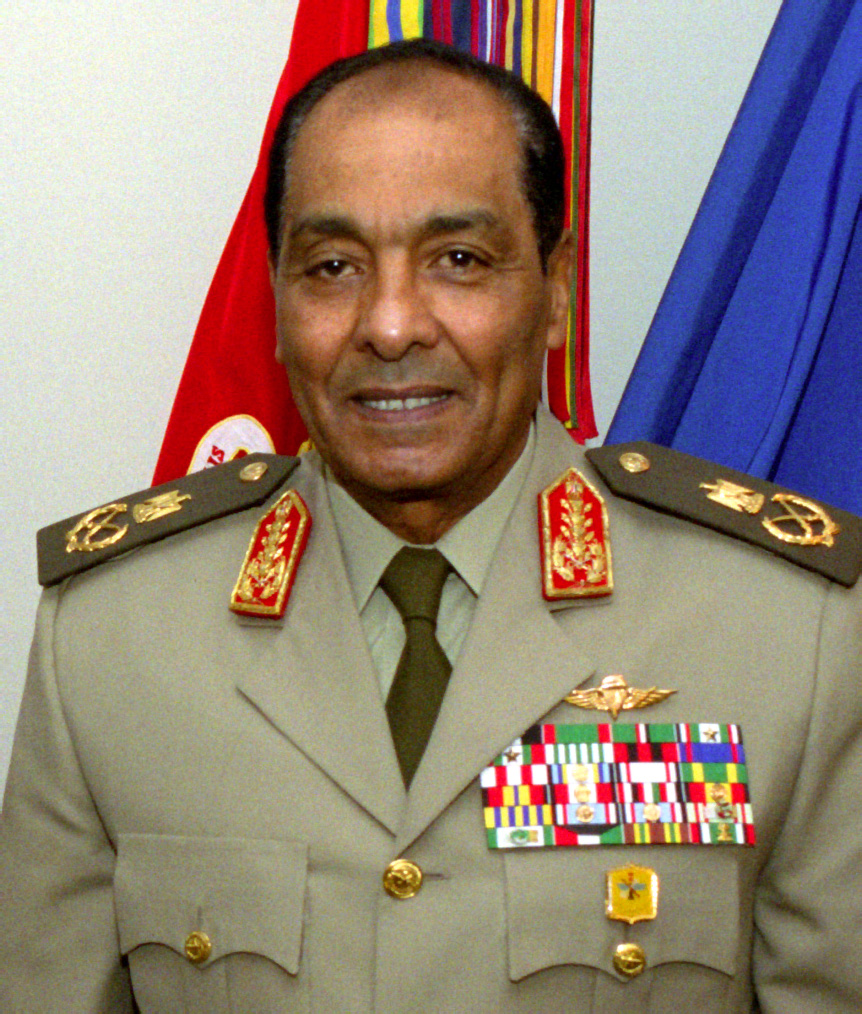
As the army attempts to take control over the transition people in Egypt are skeptical and remain in Tahrir Square. Now that the military has assumed power it is wanting to clear the streets to legitimize its own power, oh the contradictions and a crude attempt to prove itself...nothing to see here, we are in control everything is ok, go back to your homes type of logic. The military seems to be more concerned with appearance than substance and change of any kind.
The people remain!
Protester Ashraf Ahmed said the military could tear down his tent, but that he was not going to leave "because so much still needs to be done. They haven't implemented anything yet.''
"If the army does not fulfil our demands, our uprising and its measures will return stronger."
Field Marshal Mohammed Hussein Tantawi (on the left, sitting with Mubarak and I am assuming an American general or type of officer) is now the highest figurehead in Egypt's government and the military supreme council.
Protests, strikes, and actions across Egypt continue today in the wake of Mubarak stepping down. Feb 13th, live Al Jazeera blog
Tahrir Square
Saturday, February 12, 2011
Eye on Algeria
Al Jazeera Reports: Eye on Alegria, Pro-democracy demonstrators, inspired by the Egyptian revolution, ignore official ban and march in the capital Algiers.
Algerian security forces and pro-democracy protesters have clashed in the capital, Algiers, amid demonstrations inspired by the revolution in Egypt.
Heavily outnumbered by riot police, at least 2,000 protesters were able to overcome a security cordon enforced around the city's May First Square on Saturday, joining other demonstrators calling for reform.
Earlier, thousands of police in riot gear were in position to stop the demonstrations that could mimic the uprising which forced out Hosni Mubarak, Egypt's long-serving president.
Security forces closed all entrances to Algiers and arrested hundreds of protesters, sources told Al Jazeera.
Elias Filali, an Algerian blogger and activist, said human rights activists and syndicate members were among those arrested at the scene of the protests.
"I'm right in the middle of the march," he told Al Jazeera. "People are being arrested and are heavily guarded by the police."
Officials banned Saturday's opposition march but protesters were determined to see it through.
Peaceful protests
Filali said the demonstrators were determined to remain peaceful, but he claimed that the police "want the crowd to go violent and then get them portrayed as a violent crowd".
Protesters are demanding greater democratic freedoms, a change of government and more jobs.
Earlier, police also charged at demonstrators and arrested 10 people outside the Algiers offices of the opposition Rally for Culture and Democracy (RCD), as they celebrated Mubarak's downfall, Said Sadi, RCD leader, told the AFP news agency.
"It wasn't even an organised demonstration. It was spontaneous. It was an explosion of joy," he said.
Mubarak's resignation on Friday, and last month's overthrow of Zine El Abidine Ben Ali, Tunisia's president for 23 years, have electrified the Arab world.
Many are left wondering which country could be next in a region where a flammable mix of authoritarian rule and popular anger are the norm.
"The timing is absolutely perfect. [Mubarak's departure] couldn't have come at a better time," Filali told Al Jazeera in the run-up to the protests.
"This is a police state, just like the Egyptian regime [was]."
Filali said Algeria's government was "corrupt to the bone, based on electoral fraud, and repression".
"There is a lot of discontent among young people ... the country is badly managed by a corrupt regime that does not want to listen".
Police on alert
Said Sadi, the RCD leader, had said earlier that he expected around 10,000 more police officers to reinforce the 20,000 who blocked the last demonstration on January 22, when five people were killed and more than 800 others hurt.
Police presence is routine in Algeria to counter the threat of attacks by al-Qaeda fighters. But Filali called the heavy police presence in the capital on Saturday "unbelievable".
At May First Square, the starting point for the planned march, there were around 40 police vans, jeeps and buses lined up, Filali said.
At several road junctions, the police had parked small military-style armoured vehicles which are rarely seen in the city. Police standing outside a fuel station, about 2km from the square, were wearing anti-riot body armour.
The latest rally is being organised by the National Co-ordination for Change and Democracy (CNCD), a three-week-old umbrella group of opposition parties, civil society movements and unofficial unions inspired by the mass protests in Tunisia and Egypt.
Demonstrators have been protesting over the last few months against unemployment, high food costs, poor housing and corruption - similar issues that fuelled uprisings in other north African nations.
Earlier this month, Abdelaziz Bouteflika, Algeria's president, said he would lift emergency powers, address unemployment and allow democratic marches to take place in the country, in a bid to stave off unrest.
"The regime is frightened," Filali said. "And the presence of 30,000 police officers in the capital gives you an idea of how frightened the regime [is] of its people."
Wider implications
Widespread unrest in Algeria could have implications for the world economy because it is a major oil and gas exporter, but many analysts say an Egypt-style revolt is unlikely as the government can use its energy wealth to placate most grievances.
Meanwhile, in a statement, Amnesty International, the London-based rights group, said "Algerians must be allowed to express themselves freely and hold peaceful protests in Algiers and elsewhere".
"We urge the Algerian authorities not to respond to these demands by using excessive force".
The government said it refused permission for the rally for public order reasons, not because it is trying to stifle dissent. It said it is working hard to create jobs, build new homes and improve public services.
Other Arab countries have also felt the ripples from the revolts in Egypt and Tunisia.
Jordan's King Abdullah replaced his prime minister after protests.
In Yemen, Ali Abdullah Saleh promised opponents he would not seek a new term as president.
The Bahraini government has also made several concessions in recent weeks, including promising higher social spending. Activists there have called for protests on February 14, the tenth anniversary of Bahrain's constitution.
Algerian security forces and pro-democracy protesters have clashed in the capital, Algiers, amid demonstrations inspired by the revolution in Egypt.
Heavily outnumbered by riot police, at least 2,000 protesters were able to overcome a security cordon enforced around the city's May First Square on Saturday, joining other demonstrators calling for reform.
Earlier, thousands of police in riot gear were in position to stop the demonstrations that could mimic the uprising which forced out Hosni Mubarak, Egypt's long-serving president.
Security forces closed all entrances to Algiers and arrested hundreds of protesters, sources told Al Jazeera.
Elias Filali, an Algerian blogger and activist, said human rights activists and syndicate members were among those arrested at the scene of the protests.
"I'm right in the middle of the march," he told Al Jazeera. "People are being arrested and are heavily guarded by the police."
Officials banned Saturday's opposition march but protesters were determined to see it through.
Peaceful protests
Filali said the demonstrators were determined to remain peaceful, but he claimed that the police "want the crowd to go violent and then get them portrayed as a violent crowd".
Protesters are demanding greater democratic freedoms, a change of government and more jobs.
Earlier, police also charged at demonstrators and arrested 10 people outside the Algiers offices of the opposition Rally for Culture and Democracy (RCD), as they celebrated Mubarak's downfall, Said Sadi, RCD leader, told the AFP news agency.
"It wasn't even an organised demonstration. It was spontaneous. It was an explosion of joy," he said.
Mubarak's resignation on Friday, and last month's overthrow of Zine El Abidine Ben Ali, Tunisia's president for 23 years, have electrified the Arab world.
Many are left wondering which country could be next in a region where a flammable mix of authoritarian rule and popular anger are the norm.
"The timing is absolutely perfect. [Mubarak's departure] couldn't have come at a better time," Filali told Al Jazeera in the run-up to the protests.
"This is a police state, just like the Egyptian regime [was]."
Filali said Algeria's government was "corrupt to the bone, based on electoral fraud, and repression".
"There is a lot of discontent among young people ... the country is badly managed by a corrupt regime that does not want to listen".
Police on alert
Said Sadi, the RCD leader, had said earlier that he expected around 10,000 more police officers to reinforce the 20,000 who blocked the last demonstration on January 22, when five people were killed and more than 800 others hurt.
Police presence is routine in Algeria to counter the threat of attacks by al-Qaeda fighters. But Filali called the heavy police presence in the capital on Saturday "unbelievable".
At May First Square, the starting point for the planned march, there were around 40 police vans, jeeps and buses lined up, Filali said.
At several road junctions, the police had parked small military-style armoured vehicles which are rarely seen in the city. Police standing outside a fuel station, about 2km from the square, were wearing anti-riot body armour.
The latest rally is being organised by the National Co-ordination for Change and Democracy (CNCD), a three-week-old umbrella group of opposition parties, civil society movements and unofficial unions inspired by the mass protests in Tunisia and Egypt.
Demonstrators have been protesting over the last few months against unemployment, high food costs, poor housing and corruption - similar issues that fuelled uprisings in other north African nations.
Earlier this month, Abdelaziz Bouteflika, Algeria's president, said he would lift emergency powers, address unemployment and allow democratic marches to take place in the country, in a bid to stave off unrest.
"The regime is frightened," Filali said. "And the presence of 30,000 police officers in the capital gives you an idea of how frightened the regime [is] of its people."
Wider implications
Widespread unrest in Algeria could have implications for the world economy because it is a major oil and gas exporter, but many analysts say an Egypt-style revolt is unlikely as the government can use its energy wealth to placate most grievances.
Meanwhile, in a statement, Amnesty International, the London-based rights group, said "Algerians must be allowed to express themselves freely and hold peaceful protests in Algiers and elsewhere".
"We urge the Algerian authorities not to respond to these demands by using excessive force".
The government said it refused permission for the rally for public order reasons, not because it is trying to stifle dissent. It said it is working hard to create jobs, build new homes and improve public services.
Other Arab countries have also felt the ripples from the revolts in Egypt and Tunisia.
Jordan's King Abdullah replaced his prime minister after protests.
In Yemen, Ali Abdullah Saleh promised opponents he would not seek a new term as president.
The Bahraini government has also made several concessions in recent weeks, including promising higher social spending. Activists there have called for protests on February 14, the tenth anniversary of Bahrain's constitution.
Subscribe to:
Posts (Atom)